
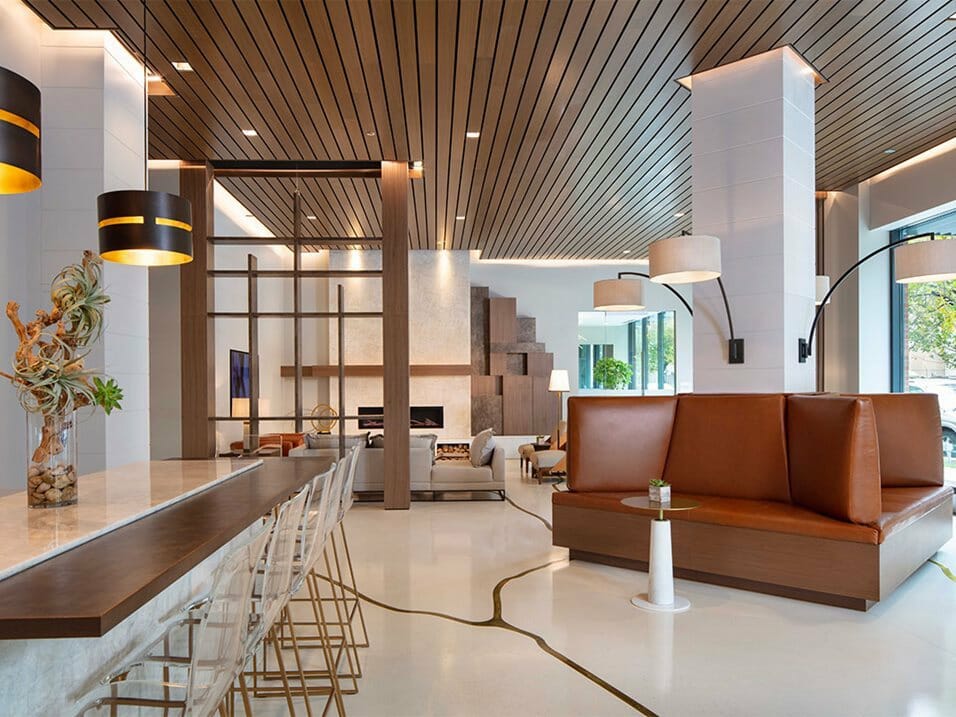
Introduction
Interior design is more than just decorating a space. It is the process of planning and organizing interiors to make them both functional and visually appealing. A well-designed interior can improve comfort, productivity, and the overall atmosphere of a space.
Whether it is a home, office, restaurant, or commercial building, good interior design combines creativity with practical solutions. From selecting colors and furniture to planning lighting and layouts, every detail plays a role in shaping the environment.
Understanding the key elements of interior design can help create spaces that are balanced, comfortable, and aesthetically pleasing.
Why Stylish and Functional Design Matters
A stylish space may impress visually, but if it lacks functionality, it becomes inconvenient. On the other hand, a purely functional space without design feels dull and uninspiring.
The perfect interior design combines both.
Benefits of Stylish and Functional Interiors
- Improves Productivity
Well-designed offices improve focus and efficiency. - Enhances Comfort
Thoughtful furniture placement and lighting create a relaxing atmosphere. - Maximizes Space Usage
Smart layouts prevent clutter and wasted areas. - Increases Property Value
Professionally designed interiors attract buyers and tenants. - Creates Strong Brand Identity
For commercial spaces, interior design reflects brand personality.
Key Elements of Interior Design
1. Space Planning
Space planning is one of the most important aspects of interior design. It involves organizing furniture, walkways, and functional areas to ensure efficient use of the available space.
Proper space planning allows people to move comfortably while ensuring that the room does not feel crowded. Designers carefully arrange furniture and interior elements to create a balanced layout that supports both functionality and visual appeal.
This is especially important in offices, retail stores, and smaller residential spaces where efficient use of space is essential.
2. Color Selection
Colors have a powerful influence on the mood and atmosphere of a space. Choosing the right color palette helps create harmony and enhances the overall design.
Light colors such as white, beige, and soft grey can make rooms feel larger and brighter, while darker shades add depth and sophistication. Many modern interiors combine neutral tones with accent colors to create visual interest.
Color selection should also reflect the purpose of the space, whether it is a calm residential area or a vibrant commercial environment.
3. Lighting Design
Lighting is another key element that can completely transform the look and feel of a room. Proper lighting not only improves visibility but also highlights architectural features and interior design elements.
Interior designers often use a combination of ambient lighting, task lighting, and decorative lighting to create a balanced environment.
Natural light is also an important factor in interior design, as it makes spaces feel more open, comfortable, and welcoming.
4. Furniture and Layout
Furniture plays a major role in defining the character of an interior space. The right furniture should be both functional and visually appealing.
Designers carefully choose furniture that fits the style of the interior while ensuring comfort and practicality. The arrangement of furniture also influences how people interact with the space.
In offices, for example, furniture layout can improve workflow and productivity, while in homes it enhances comfort and relaxation.
5. Flooring and Materials
The choice of flooring and materials contributes significantly to the overall design of a space. Different materials such as wood, vinyl, marble, and tiles can create different visual effects.
Durable materials are often used in commercial environments, while residential interiors may focus more on comfort and style.
Flooring should complement the overall interior design while providing durability and easy maintenance.
6. Texture and Decorative Elements
Textures and decorative elements add depth and personality to interior spaces. Materials such as wood, fabric, glass, and metal can create interesting visual contrasts.
Decorative elements like wall art, rugs, cushions, and plants help personalize a space and make it more inviting.
These details may seem small, but they play an important role in creating a complete and well-balanced interior design.
7. Storage and Organization
Good interior design also focuses on maintaining organized and clutter-free spaces. Smart storage solutions help keep interiors neat while maximizing available space.
Built-in cabinets, shelves, and multi-functional furniture are commonly used to improve storage without affecting the design aesthetics.
Effective storage solutions are particularly important in smaller homes and modern offices.
8. Balance and Harmony
Balance is a key principle in interior design. It ensures that all design elements work together to create a visually pleasing environment.
Interior designers use symmetry, proportion, and alignment to achieve harmony within a space. When colors, furniture, lighting, and decorative elements are balanced, the entire interior feels more comfortable and aesthetically appealing.
Achieving this balance is what transforms a simple room into a thoughtfully designed space.
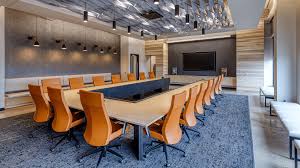
Common Interior Design Mistakes to Avoid
- Ignoring space planning
- Choosing style over comfort
- Poor lighting placement
- Overdecorating
- Selecting low-quality materials
- Not considering storage needs
Avoiding these mistakes ensures a balanced and efficient space.
Conclusion
Interior design is a combination of creativity and careful planning. By focusing on elements such as space planning, lighting, color selection, furniture arrangement, and materials, designers can create spaces that are both beautiful and practical.
Whether designing a home, office, or commercial building, a well-planned interior improves comfort, functionality, and visual appeal.
Investing in professional interior design services ensures that every element of the space works together to create an environment that is both stylish and functional.
Frequently Asked Questions (FAQ)
What are the main elements of interior design?
The main elements include space planning, color selection, lighting, furniture layout, materials, textures, and balance.
Why is space planning important in interior design?
Space planning ensures that furniture and design elements are arranged efficiently, allowing comfortable movement and proper functionality.
How does lighting affect interior design?
Lighting improves visibility, highlights architectural features, and enhances the overall atmosphere of a space.
What role does color play in interior design?
Colors influence the mood and perception of a room and help create harmony within the overall design.
Why should businesses invest in interior design?
Well-designed interiors improve customer experience, employee productivity, and the overall brand image of a business.