
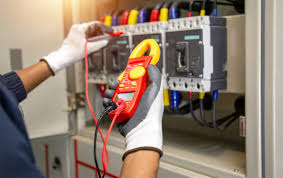
When people admire a building, they usually notice the architecture, interiors, and exterior design. What they don’t see is the invisible network that keeps the building alive and functional every single day. That invisible backbone is the MEP system.
MEP stands for Mechanical, Electrical, and Plumbing services. These systems are responsible for comfort, safety, efficiency, and overall building performance. Without proper MEP planning and execution, even the most visually stunning project cannot operate effectively.
In modern construction, MEP services are no longer just technical installations. They are strategic components that influence energy consumption, sustainability, maintenance costs, and long-term return on investment.
Understanding the Role of MEP in Construction
MEP systems transform an empty structure into a fully functional environment. Imagine a commercial tower without air conditioning in a hot climate, a hospital without reliable power backup, or a residential building without proper water supply. The structure may stand tall, but it cannot serve its purpose.
Mechanical systems control temperature and ventilation. Electrical systems distribute power and lighting. Plumbing systems manage water supply and drainage. Together, they create a safe and comfortable space for occupants.
Because these systems are interconnected, proper coordination is critical. A small mistake in planning can lead to expensive rework, delays, or operational inefficiencies.
Mechanical Services: Ensuring Comfort and Air Quality
Mechanical services primarily focus on HVAC (Heating, Ventilation, and Air Conditioning). In regions with extreme climates, especially the Middle East, HVAC systems play a major role in energy consumption and indoor comfort.
A well-designed mechanical system ensures:
- Consistent indoor temperature
- Proper airflow and ventilation
- Controlled humidity levels
- Energy-efficient operation
Beyond comfort, ventilation systems also maintain indoor air quality. In commercial buildings, hospitals, and industrial facilities, proper airflow design is essential for occupant health and regulatory compliance.
Mechanical systems must be carefully calculated based on building size, occupancy load, and usage type. Oversized systems waste energy, while undersized systems fail to deliver adequate performance.
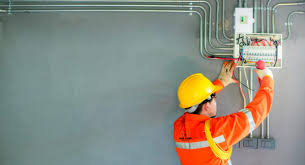
Electrical Services: Powering Every Operation
Electricity is the driving force behind every modern building. From lighting and elevators to IT systems and security networks, electrical infrastructure supports daily operations.
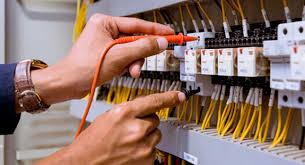
Electrical MEP services include power distribution, lighting systems, backup generators, transformers, switchgear panels, and grounding systems. In advanced projects, this may also involve smart lighting controls, solar integration, and energy monitoring systems.
A properly engineered electrical system ensures safety, reliability, and uninterrupted performance. Faulty electrical design can lead to power outages, safety hazards, and expensive downtime.
Today’s buildings are becoming smarter. Integrated electrical planning supports automation, remote monitoring, and energy efficiency, allowing facility managers to control operations more effectively.
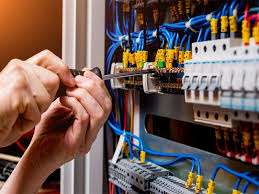
Plumbing Services: Managing Water and Sustainability
Plumbing may seem simple compared to mechanical and electrical systems, but it plays an equally important role in building functionality.
Plumbing systems manage water supply, drainage, sewage, and stormwater management. In commercial and residential projects, proper plumbing design ensures hygiene, water conservation, and operational efficiency.
A professionally designed plumbing system provides:
- Reliable water distribution
- Efficient waste removal
- Leak prevention
- Reduced water wastage
Modern plumbing solutions also focus on sustainability. Water-saving fixtures, greywater recycling systems, and pressure optimization techniques help reduce long-term operational costs.
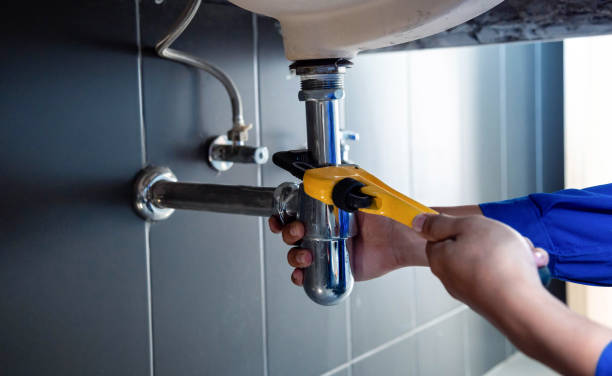
Why Early MEP Planning Is Critical
One of the most common mistakes in construction is treating MEP as a secondary phase. In reality, MEP coordination should begin during the initial design stage.
When mechanical ducts, electrical conduits, and plumbing pipes are planned early, it prevents clashes with structural elements. It also ensures optimal ceiling heights, proper equipment placement, and efficient space utilization.
Advanced tools like Building Information Modeling (BIM) allow engineers to visualize systems before installation. This minimizes errors and improves project timelines.
Proper coordination between civil and MEP teams saves both time and money.
MEP Services Across Different Sectors
MEP requirements vary depending on the type of project. A residential building has different needs compared to an industrial facility or healthcare center.
For example, hospitals require specialized systems such as medical gas pipelines and high-efficiency filtration units. Commercial offices focus on centralized air conditioning and energy-efficient lighting. Industrial facilities demand heavy electrical loads and specialized ventilation systems.
Understanding the specific needs of each sector ensures customized MEP solutions that meet operational demands.
Energy Efficiency and Sustainability in Modern MEP
Sustainability has become a major focus in the construction industry. Energy-efficient MEP systems significantly reduce environmental impact and operating expenses.
Modern solutions include variable refrigerant flow (VRF) systems, LED lighting, motion sensors, building automation systems, and solar energy integration.
These technologies not only reduce energy consumption but also improve building performance ratings. In many regions, compliance with green building standards has become mandatory.
Energy optimization is no longer optional — it is a competitive advantage.
Common Challenges in MEP Projects
Despite its importance, MEP implementation often faces challenges such as:
- Poor coordination between contractors
- Design conflicts
- Budget constraints
- Delays in material procurement
- Inadequate supervision
These challenges highlight the importance of choosing experienced MEP professionals who understand both design and execution.
The Importance of Testing and Commissioning
Installation is only part of the process. Testing and commissioning ensure that every system operates according to design specifications.
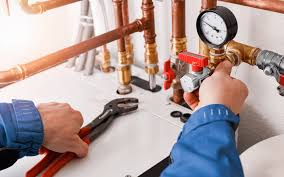
During commissioning, engineers verify airflow balance, electrical load capacity, water pressure levels, and overall system performance.
This phase confirms that the building is ready for safe and efficient occupancy. Skipping proper testing can result in long-term operational issues.
Long-Term Maintenance of MEP Systems
MEP systems require regular maintenance to sustain performance. Preventive maintenance reduces breakdown risk and extends system lifespan.
Routine inspections typically include:
- HVAC filter replacement
- Electrical panel testing
- Pump and motor servicing
- Leak detection checks
A structured maintenance plan ensures uninterrupted building operations and protects investment value.

Why Professional MEP Services Matter
MEP systems account for a significant portion of overall construction cost. More importantly, they determine how well a building performs throughout its lifecycle.
Professional MEP service providers bring:
- Accurate load calculations
- Compliance with safety standards
- Efficient system design
- Skilled installation teams
- Reliable after-sales support
Choosing the right MEP partner ensures quality, safety, and long-term efficiency.
Conclusion
MEP services are the backbone of modern infrastructure. They bring life to buildings by ensuring comfort, safety, and operational efficiency.
Mechanical systems maintain indoor comfort. Electrical systems power every function. Plumbing systems ensure hygiene and sustainability. Together, they create functional and future-ready spaces.
Whether it is a residential development, commercial complex, industrial facility, or healthcare institution, investing in professional MEP services guarantees long-term performance and value.
A building’s true strength lies not only in its structure, but in the systems that operate within it. And that is where expert MEP services make all the difference.