
Introduction:
Why Noise & Vibration Are Silent Business Killers
Modern gyms are no longer quiet workout rooms. They are high-energy performance spaces filled with heavy weights, cardio equipment, functional training zones, and group sessions. While this energy attracts members, it also creates one of the most underestimated operational challenges — excessive noise and vibration.
Many gym owners focus on aesthetics, equipment, and marketing. Very few prioritize what lies beneath — the flooring system. But the truth is simple:
If your flooring fails, your facility suffers.
Excessive impact noise and structural vibration can lead to:
- Member dissatisfaction
- Tenant complaints
- Structural damage
- Increased maintenance costs
- Reduced long-term ROI
To avoid excessive noise and vibration issues in gyms, the solution starts from the ground up — with engineered performance flooring.
This comprehensive guide explains everything you need to know.
Understanding Noise & Vibration in Gym Environments
What Causes Excessive Noise in Gyms?
Gyms are impact-heavy environments. Unlike offices or retail stores, fitness centers generate dynamic force throughout the day.
The main sources include:
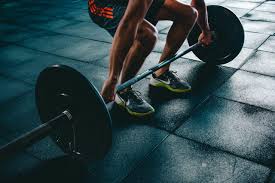
- Dropped barbells and plates
- Deadlifts and Olympic lifting
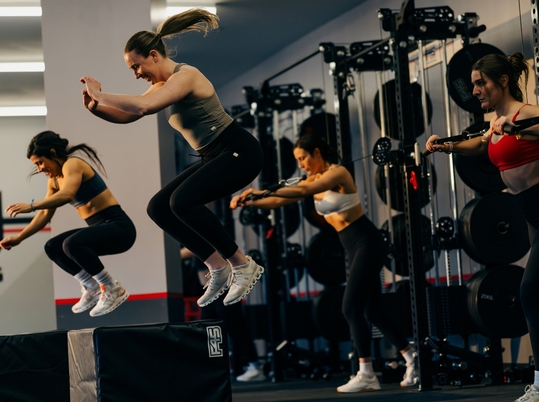
- Jump training and plyometrics
- Treadmills and cardio machines
- Group training sessions
- Functional training zones
Each of these activities generates sound energy and mechanical vibration.
The Two Types of Gym Noise
1. Airborne Noise
This includes:
- Music
- Verbal coaching
- Machine sounds
- Crowd noise
Airborne noise travels through air and walls.
2. Structure-Borne (Impact) Noise
This includes:
- Dropped weights
- Jump landings
- Heavy equipment impact
Impact noise travels through the floor into the building structure. This is significantly more damaging and difficult to control.
When impact energy transfers directly into concrete slabs, it spreads into adjacent floors and neighboring spaces.
Why Excessive Vibration Is a Serious Structural Concern
Vibration is more than an annoyance. It is a structural issue.
Repeated high-force impact can:
- Cause micro-cracks in concrete
- Weaken subfloors
- Loosen tiles and fittings
- Damage ceilings below
- Create instability in equipment
If your gym is located in a commercial tower, residential building, or mixed-use development, vibration complaints can escalate quickly.
In extreme cases, municipalities or building management can restrict operations.
The Hidden Costs of Ignoring Noise & Vibration
Many gym owners underestimate the long-term cost of poor flooring systems.
Here’s what excessive noise and vibration truly cost you:
1. Member Retention Loss
If members feel the floor shaking during workouts, or if noise levels feel chaotic, the experience becomes uncomfortable. That discomfort translates into cancellations.
2. Negative Reviews
Online reviews mentioning “too noisy” or “floor vibration issues” damage brand credibility.
3. Legal & Tenant Complaints
In shared buildings, noise complaints can lead to penalties or forced modifications.
4. Increased Maintenance
Replacing cracked tiles or repairing subfloors costs significantly more than installing proper performance flooring initially.
Why Standard Flooring Solutions Fail
Many facilities use:
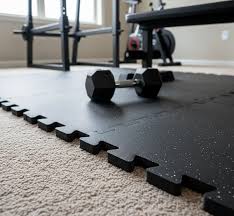
- Thin rubber mats
- Foam tiles
- Ceramic or vinyl flooring
- Carpet overlays
These materials are not engineered for high-impact absorption. They may provide surface protection but fail to control force transmission.
True acoustic control requires engineered rubber systems designed for energy absorption and force reduction.
The Science Behind Shock Absorption in Gym Flooring
When a heavy weight hits the floor, the force travels downward and outward.
Without shock-absorbing layers:
- Energy transfers directly into the slab
- Vibration spreads horizontally
- Sound resonates into surrounding spaces
Performance rubber flooring works differently.
It:
- Compresses under impact
- Absorbs energy
- Reduces force transfer
- Minimizes rebound vibration
This protects both the building and the athlete.
Zoning Strategy: Not All Gym Areas Are Equal
To effectively avoid excessive noise and vibration issues in gyms, flooring must be strategically installed based on activity zones.
Free Weight Area
Requires:
- Thick impact tiles
- High-density rubber
- Shock pad underlayment
Functional Training Zones
Needs:
- Shock absorption
- Joint protection
- Durability
Cardio Zones
Requires:
- Vibration dampening
- Stable base
- Sound reduction
Why We Use Ecore Flooring Systems
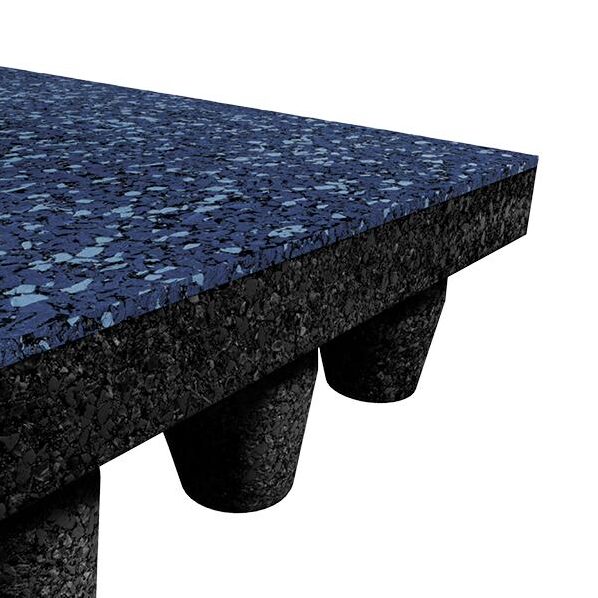
As authorized dealers, we primarily work with solutions from Ecore because their products are engineered specifically for high-impact environments like gyms.
Ecore flooring systems are designed to:
- Absorb shock effectively
- Reduce structure-borne vibration
- Minimize sound transmission
- Protect subfloors
- Enhance athlete safety
Unlike basic rubber mats, Ecore systems are performance-tested and built to handle repeated heavy impact without breaking down.
Key Benefits of High-Performance Rubber Flooring
1. Superior Impact Resistance
Engineered rubber tiles and rolls distribute force evenly, preventing structural stress concentration.
2. Long-Term Durability
Quality flooring lasts years without cracking or compressing permanently.
3. Improved Member Comfort
Athletes experience reduced joint strain and better stability.
4. Enhanced Safety
Slip-resistant surfaces reduce accident risk.
5. Better Acoustic Control
Impact sound reduction improves overall facility atmosphere.
Upper-Floor Gyms: Special Considerations
Gyms located above ground level face amplified vibration challenges.
Without proper acoustic flooring:
- Tenants below experience ceiling vibration
- Sound travels through structural columns
- Complaints escalate quickly
In such cases, layered flooring systems with shock pads are essential.
How Proper Flooring Increases ROI
Some gym owners see performance flooring as an expense.
In reality, it is an investment.
Here’s why:
- Reduces long-term repair costs
- Minimizes tenant complaints
- Improves member retention
- Protects building integrity
- Enhances brand positioning
A premium gym environment justifies premium membership pricing.
Signs You Need an Immediate Flooring Upgrade
Watch for:
- Floor movement during lifts
- Cracks near heavy zones
- Equipment instability
- Neighbor complaints
- Uneven surface compression
If these signs are visible, the flooring system is underperforming.
The Installation Factor
Even the best flooring system fails if poorly installed.
Professional installation ensures:
- Correct subfloor preparation
- Proper adhesive bonding
- Seam alignment
- Shock pad placement
- Load distribution planning
This ensures maximum acoustic and structural performance.
Designing a Gym for Long-Term Acoustic Performance
Smart gym design includes:
- Dedicated lifting platforms
- Zoned flooring thickness
- Reinforced subfloor areas
- Acoustic wall panels (if necessary)
- Proper equipment spacing
Flooring must be part of the design process, not an afterthought.
Sustainable & Eco-Friendly Considerations
Modern rubber flooring systems often use recycled materials, reducing environmental impact.
High-quality rubber flooring:
- Minimizes waste
- Lasts longer
- Requires fewer replacements
- Supports sustainable construction practices
Future-Proofing Your Fitness Facility
The fitness industry continues evolving:
- Functional training growth
- Heavy lifting popularity
- Performance-based workouts
All increase impact intensity.
Installing high-performance flooring today ensures your facility can handle future demands.
Conclusion:
To avoid excessive noise and vibration issues in gyms, you must think beyond surface-level solutions.
Flooring is not decorative — it is structural protection.
Without proper shock absorption:
- Buildings suffer
- Members leave
- Costs increase
By investing in engineered rubber flooring systems such as those from Ecore, gym owners create safer, quieter, and more durable environments.
A gym should feel powerful — not unstable.
Strong foundations build stronger brands.
And in fitness facilities, real performance always starts from the ground up.