
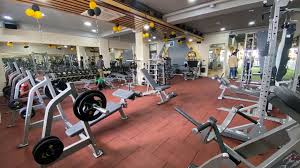
Walk into any modern gym and you’ll notice the equipment, the lighting, the mirrors, and the energy. What most people don’t notice — but feel every single second — is the floor beneath their feet. Whether it’s a heavy deadlift, an intense HIIT session, or a high-impact cardio workout, the flooring plays a critical role in protecting both the athlete and the facility.
Shock-absorbing floors are not just an upgrade; they are a safety essential. In high-performance fitness environments, the right gym flooring system can significantly reduce injuries, minimize structural damage, control noise, and enhance overall workout comfort. If you’re designing or upgrading a fitness space, understanding the impact of shock-absorbing gym flooring is crucial.
Why Gym Safety Starts from the Ground Up
Every workout involves force. When someone jumps, runs, drops weights, or performs explosive movements, energy travels downward into the surface. Without proper shock absorption, that force rebounds back into the body — affecting joints, ligaments, and muscles.
Traditional hard surfaces like concrete or ceramic tiles offer little to no impact protection. Over time, this can lead to:
- Joint strain
- Shin splints
- Stress fractures
- Lower back pain
- Muscle fatigue
- Increased injury risk
Shock-absorbing gym flooring is engineered to reduce impact forces by dispersing energy more evenly. Instead of sending force back into the body, these systems cushion the movement, protecting athletes during both high-impact and repetitive exercises.
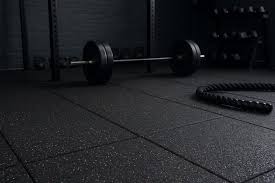
Understanding Shock Absorption in Gym Flooring
Shock absorption refers to a floor’s ability to reduce the impact force generated during movement. The higher the shock absorption capability, the less stress placed on the body and underlying structure.
In a gym environment, this is especially important in areas such as:
- Weightlifting zones
- Functional training areas
- Cross-training spaces
- Group fitness studios
- Cardio sections
- Sports performance facilities
A properly designed shock-absorbing flooring system typically includes multiple layers:
- Top Wear Layer – Durable and slip-resistant surface.
- Cushioning Layer – Absorbs and distributes impact forces.
- Base or Subfloor Layer – Provides structural support and stability.
These layers work together to create a safer and more comfortable workout surface.
Reducing Joint and Muscle Stress
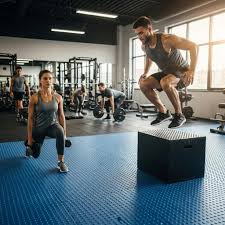
One of the biggest advantages of shock-absorbing gym floors is injury prevention. High-impact activities such as jumping, sprinting, and plyometric training place significant stress on knees, ankles, and hips.
When flooring lacks cushioning, repetitive impact can cause long-term wear on joints. This is especially concerning in:
- HIIT training programs
- Boot camps
- CrossFit-style workouts
- Aerobics classes
- Basketball or sports training gyms
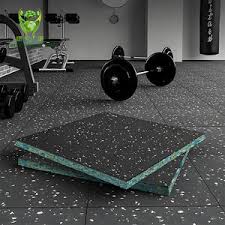
Shock-absorbing rubber flooring or cushioned sports flooring reduces the strain by softening landings and limiting force rebound. Members experience less soreness and fatigue, allowing for safer and more consistent training sessions.
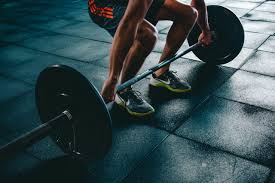
Protecting Against Weight Drop Damage
In strength training zones, heavy weights are often dropped — intentionally or accidentally. Without proper gym flooring protection, this can lead to:
- Cracked concrete slabs
- Damaged tiles
- Surface dents
- Structural floor weakening
- Equipment wear and tear
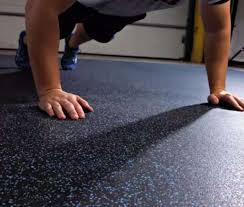
High-density rubber gym flooring and impact-resistant systems are specifically engineered to withstand dropped weights. These materials absorb the shock instead of transferring it directly to the subfloor.
This not only protects the building structure but also reduces liability risks for gym owners.
Minimizing Noise and Vibration
Gym environments can become extremely noisy, especially in multi-level buildings. The sound of weights hitting the floor and machines operating can travel through slabs and walls.
Shock-absorbing flooring significantly reduces:
- Impact noise
- Vibration transmission
- Echo in open spaces
This is particularly important for:
- Gyms located in commercial complexes
- Fitness centers in residential buildings
- Hotels with in-house gyms
- Schools and universities
By incorporating acoustic underlays and vibration control layers, gym flooring systems improve comfort for both users and neighboring occupants.
Improving Slip Resistance and Stability
Safety in gyms is not only about impact protection — it’s also about preventing slips and falls. Many shock-absorbing flooring systems are designed with textured surfaces to enhance grip.
Benefits include:
- Better traction during high-intensity workouts
- Reduced slipping from sweat or moisture
- Stable footing during heavy lifts
- Improved confidence during movement
A secure surface ensures that athletes can perform dynamic exercises without fear of losing balance.
Enhancing Athlete Performance
Safety and performance go hand in hand. When gym members feel physically supported by the surface beneath them, they can train more effectively.
Shock-absorbing flooring improves:
- Energy return balance
- Stability during explosive movements
- Comfort during floor exercises
- Reduced fatigue in long sessions
Athletes can focus on pushing their limits instead of worrying about joint pain or surface discomfort.
Types of Shock-Absorbing Gym Flooring
Choosing the right gym flooring system depends on the type of facility and usage.
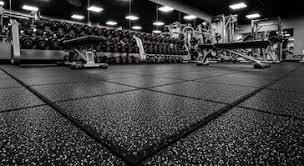
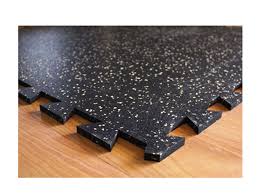
1. Rubber Gym Flooring
Rubber is one of the most popular options for fitness centers. It offers:
- High impact resistance
- Excellent durability
- Slip resistance
- Easy maintenance
- Sound absorption
Rubber tiles and rolls are ideal for weight rooms, functional zones, and strength training areas.
2. Sports Performance Flooring
Designed for athletic training facilities and courts, this flooring offers superior shock absorption and controlled energy return. It is commonly used in:
- Basketball courts
- Indoor sports arenas
- Multi-purpose training halls
3. Foam-Based Underlayment Systems
Foam layers beneath the surface increase cushioning for group fitness studios and yoga areas.
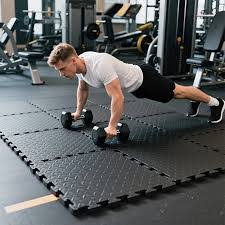
4. Interlocking Modular Systems
These systems allow flexibility in layout and are easy to replace or upgrade.
Each flooring type can be customized based on thickness, density, and intended usage.
Long-Term Cost Benefits for Gym Owners
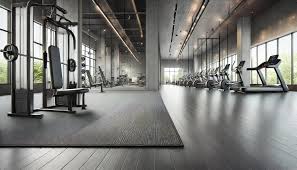
While shock-absorbing gym flooring may require a higher initial investment, it provides significant long-term savings.
Reduced Injury Claims
A safer workout environment reduces accidents and liability risks.
Lower Maintenance Costs
Durable materials resist cracking and wear, reducing repair expenses.
Extended Equipment Life
Shock-absorbing surfaces protect gym machines and free weights.
Improved Member Retention
Comfortable and safe environments encourage members to stay longer and renew memberships.
For commercial gym owners, investing in high-quality flooring is not just about safety — it’s about profitability.
The Importance of Professional Installation
Even the best shock-absorbing flooring system can fail if installed incorrectly. Proper subfloor preparation ensures:
- Level surfaces
- Moisture control
- Strong adhesive bonding
- Seamless transitions between zones
Professional installers conduct site assessments and recommend the correct thickness and material type based on structural requirements.
Skipping this step can compromise safety and durability.
Customizing Flooring for Different Gym Zones
A well-designed gym includes multiple workout areas, each with different flooring needs.
Weightlifting Area
Requires high-density rubber with maximum impact resistance.
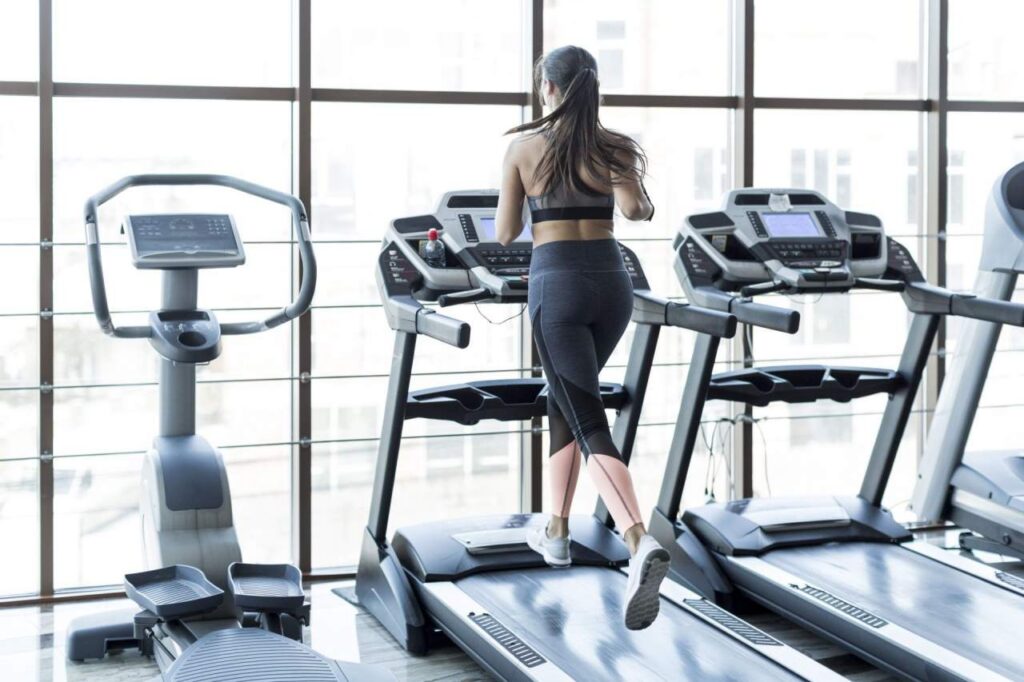
Cardio Section
Needs moderate cushioning with slip resistance.
Functional Training Zone
Demands shock absorption combined with durability.
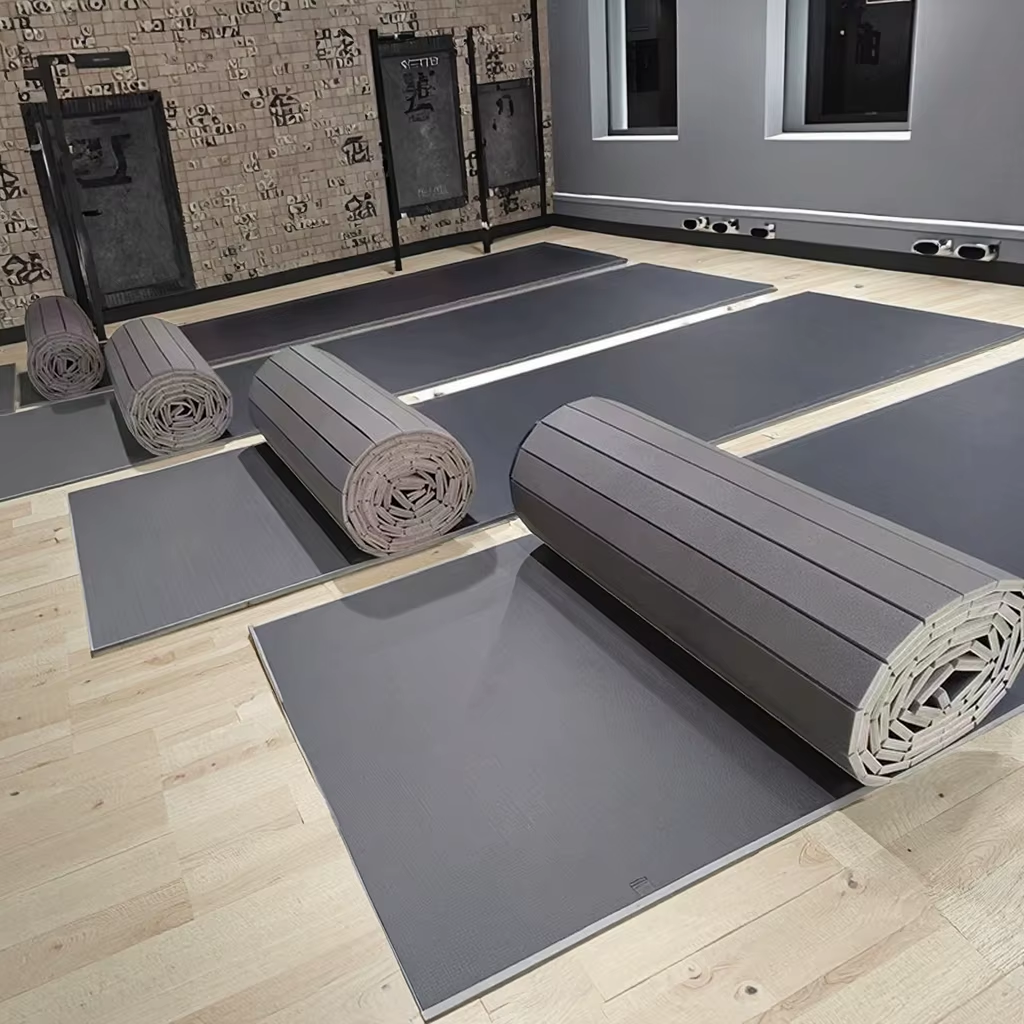
Yoga & Stretching Studio
Requires softer, comfortable surfaces.
Zoning with the right flooring ensures maximum safety across the entire facility.
Meeting Safety Standards and Compliance
Commercial gyms must adhere to safety guidelines and building standards. Shock-absorbing floors help meet requirements related to:
- Slip resistance
- Impact safety
- Acoustic control
- Fire resistance
Choosing certified materials ensures compliance with local regulations and industry standards.
Supporting Sustainable Gym Design
Many modern gym flooring systems are manufactured using recycled rubber and environmentally friendly processes. Sustainable flooring contributes to:
- Reduced environmental impact
- Improved indoor air quality
- Long-lasting performance
- Green building certifications
Eco-conscious design is becoming increasingly important for fitness brands.
Creating a Professional Image
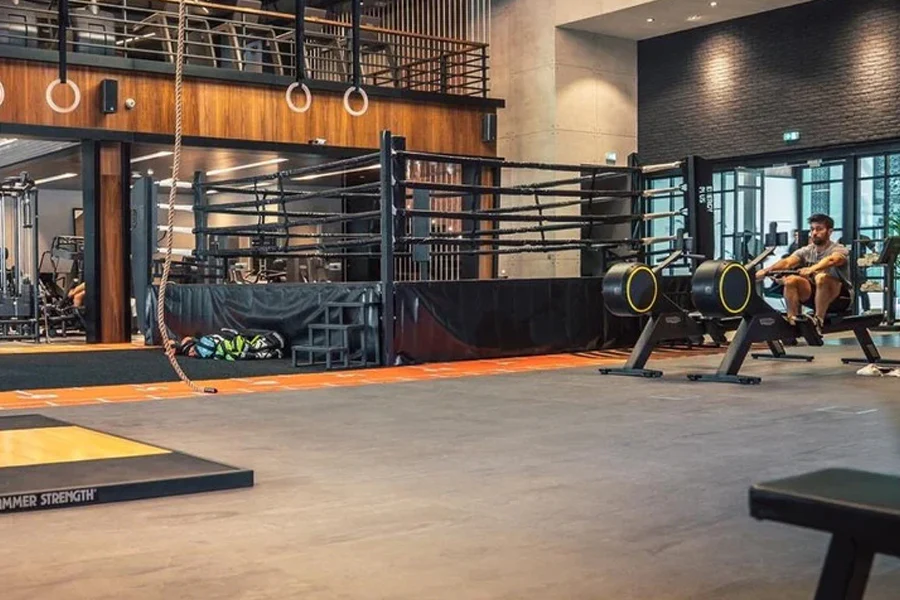
A gym’s appearance influences first impressions. Cracked tiles or worn-out concrete create a negative perception. High-quality shock-absorbing flooring delivers:
- Clean and professional aesthetics
- Modern design appeal
- Brand-aligned color options
- Durable finishes
Members associate well-maintained infrastructure with professionalism and safety.
Final Thoughts
Shock-absorbing floors are one of the most important investments in gym safety. They protect athletes from injuries, reduce joint stress, minimize structural damage, and enhance overall workout performance.
From weightlifting zones to group fitness studios, the right gym flooring system creates a secure, durable, and high-performing environment. For gym owners, it translates into long-term cost savings, stronger brand reputation, and improved member satisfaction.
When designing or upgrading a fitness facility, always start from the ground up. Because in a gym, safety doesn’t begin with the equipment — it begins with the floor.